
Hot Springs and Nature Baths
Road Conditions & Weather
Check seasonal road access, gravel routes and winter conditions before heading to remote hot springs. Weather can affect trail safety, river levels and bathing conditions.
Tours
Join guided geothermal tours that combine hot springs with waterfalls, lava fields or Highlands adventures. Ideal for visitors who want safe access to hidden pools or prefer a fully planned experience.
Accessibility
Find details about parking, walking distance, trail difficulty and facilities. Some hot springs are easy roadside stops, while others require moderate hikes across uneven terrain.
Tips And informations
Know the water temperature, changing facilities and local etiquette before you go. Learn how to visit responsibly and protect Iceland’s fragile geothermal environment.
Hot Springs in Iceland
Iceland is home to a wide variety of hot springs, from remote, natural pools hidden in the highlands to well-maintained geothermal spas with modern facilities. Whether you’re looking for a scenic soak in the wilderness or a relaxing stop on your road trip, this guide highlights some of the most popular and unique hot springs across the country. Remember to follow local guidelines and leave no trace to help preserve these special places.
Hot Springs in Iceland - Nature, Culture, and Etiquette
Hot springs have been part of Icelandic life for centuries, not only as places to bathe, but also to relax, socialize, and find peace in nature. Today, travelers can enjoy everything from hidden natural pools to modern geothermal spas. Here’s what to know before you soak:
Natural vs. Developed Hot Springs
Natural hot springs are undeveloped pools in the wilderness, usually free to access, but with no changing rooms or facilities. Popular examples include Reykjadalur (a hot river), Hrunalaug, and Landmannalaugar.
Developed geothermal baths like the Blue Lagoon, Sky Lagoon, or Mývatn Nature Baths have showers, restrooms, cafés, and often require advance booking. Entry fees range from 2,000–20,000 ISK depending on the location and package.
Helpful Tips & Etiquette
- Always shower without a swimsuit before entering – this is part of Icelandic bathing culture and applies to all hot springs and pools.
- Don’t bring soaps, shampoos, or drinks into natural pools. Leave them as you found them.
- In colder months, trails to remote springs may be icy or closed. Check road conditions and weather first.
- Natural pools are often small, be mindful of others waiting or sharing the space.
- Drones are often restricted around bathing areas. Look for signage or ask first.
Some hot springs are located on private or protected land. Always respect signage and local guidelines. If you’re unsure whether a spring is public, it’s best to ask a local or check our Iceland Travel Map
Nature Baths & Spa
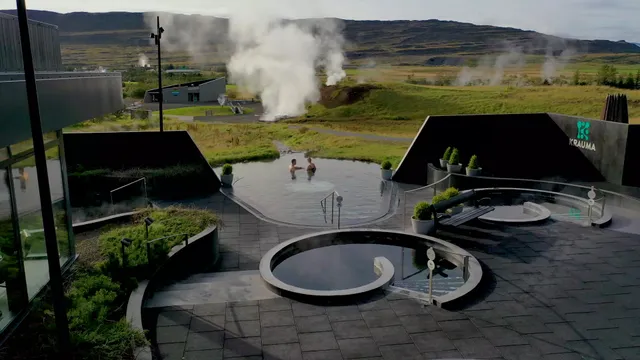
- Reykholt
- 2 Hours
- Easy
- All Year
From
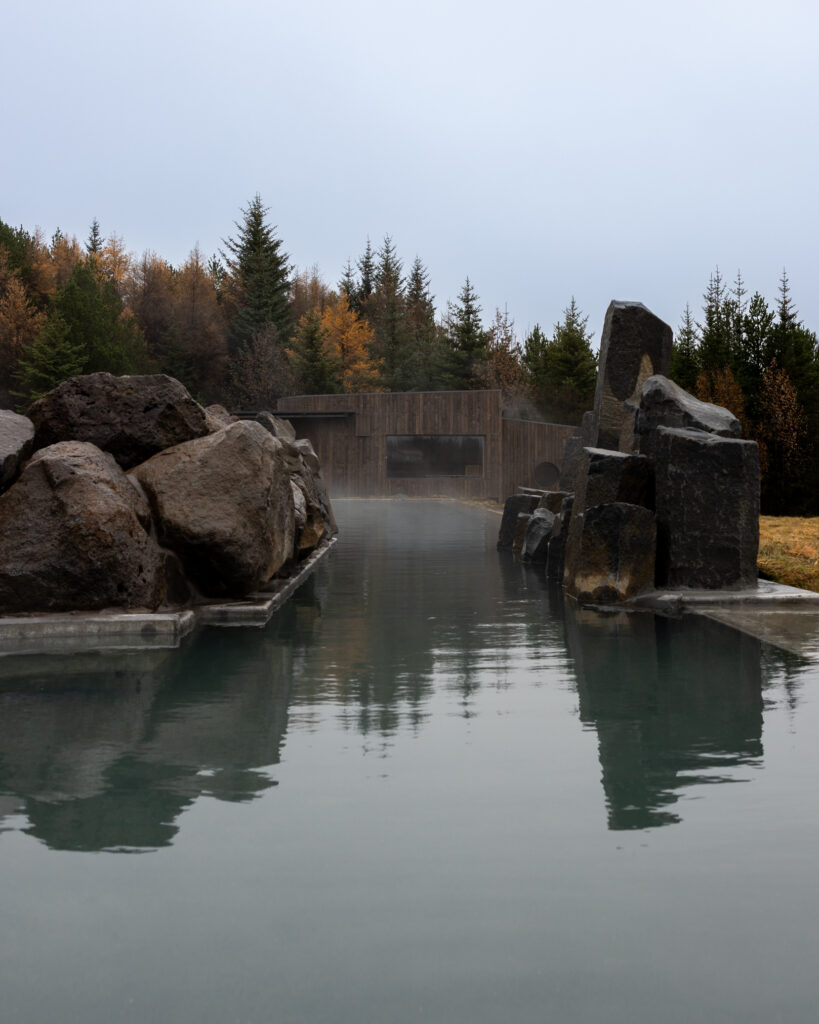
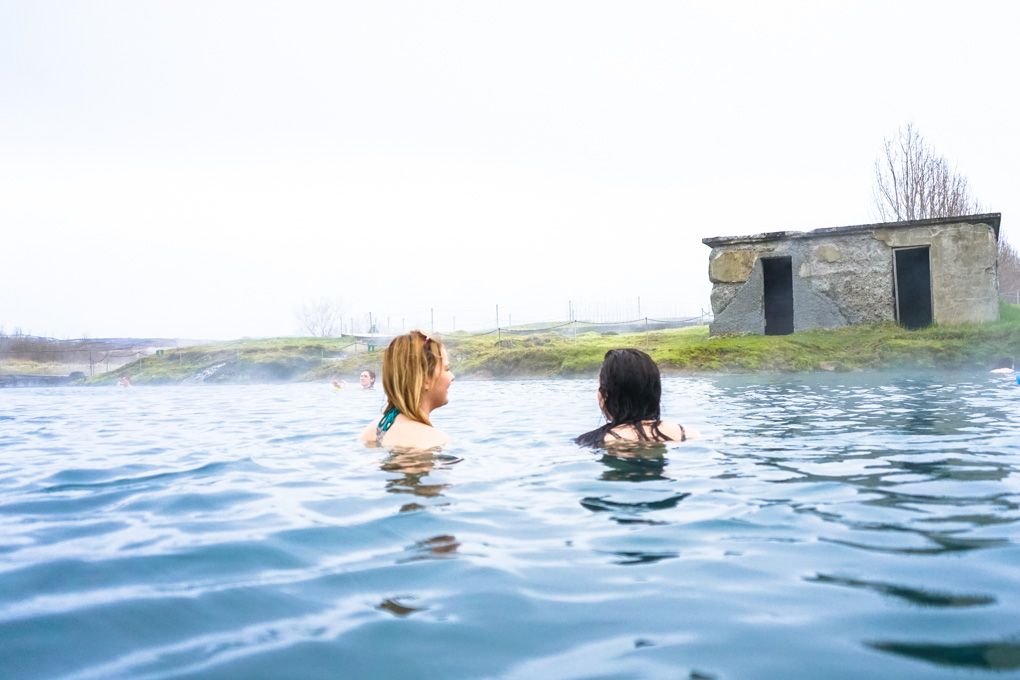
- Flúðir
- 2 Hours
- Easy
- All Year
From
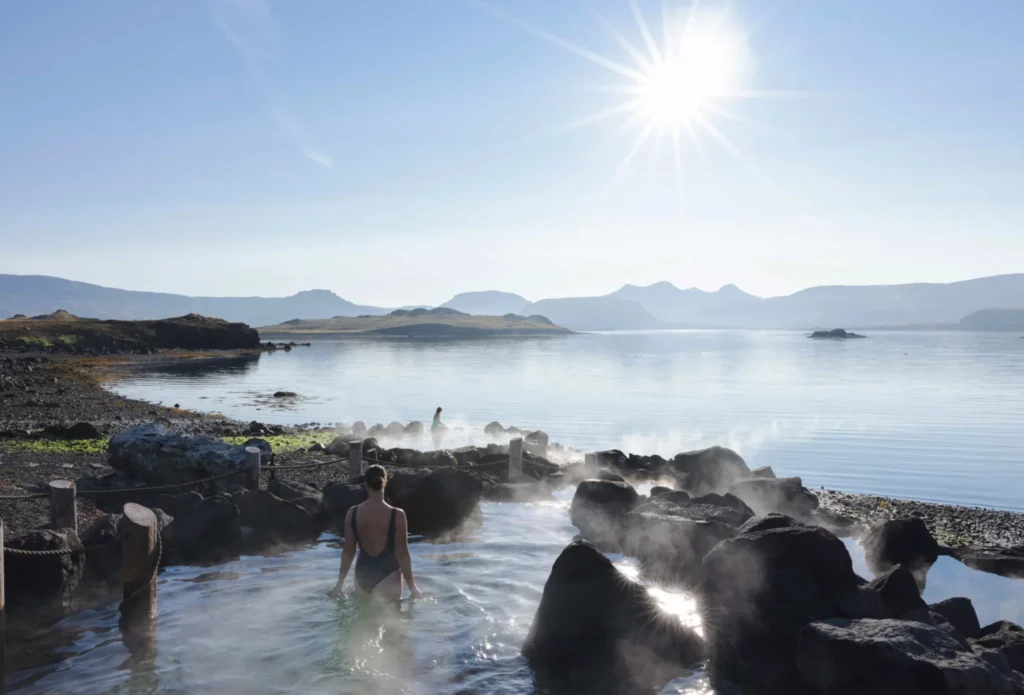
- Hvalfjörður
- 2 Hours
- Easy
- All Year
From
Quick Tips for Hot Spring Visits
Whether you’re planning a spontaneous soak or a full spa day, here are a few simple tips to make your hot spring experience smooth, safe, and enjoyable.
- Pack a towel and a swimsuit , even for natural springs!
- Most facilities rent swimsuits and towels if you forget yours.
- Bring dry shoes or flip-flops, trails and poolside areas can be wet or muddy.
- Book in advance for developed spas like Sky Lagoon or Blue Lagoon, especially in summer.
- Some natural springs require hiking, give yourself time and daylight.
- Always check vedur.is for weather and road conditions before heading out.
A little preparation goes a long way, and helps protect these natural places for future travelers.
Do I need a 4x4 to reach hot springs?
Some do! Highland springs like Landmannalaugar require 4×4 vehicles. Others (like Hrunalaug or Reykjadalur) are reachable by regular cars, sometimes with short hikes.
Are hot springs safe to visit in winter?
What should I bring?
A swimsuit, towel, water, and dry shoes. For natural springs, also bring warm clothes, a bag for wet gear, and sometimes a small donation in case there’s a local fee box.
Are all hot springs free to access?
No, most natural hot springs are free, but developed spas like the Blue Lagoon and Sky Lagoon charge entry fees and often require reservations.