
Driving in Iceland
Road Conditions & Weather
Check live road updates, closures, wind warnings and seasonal driving challenges before every trip.
Car Rental & Vehicle Types
Choose the right vehicle for Ring Road trips, winter driving or Highland F-roads.
Driving Rules & Safety
Speed limits, headlights, gravel roads, one-lane bridges and Iceland-specific driving laws.
Route Planning & Must-Drive Roads
Plan your Ring Road trip, scenic detours, Highland routes and hidden gems.
Road Conditions & Weather
Road Conditions & Weather
What to Know Before You Drive in Iceland
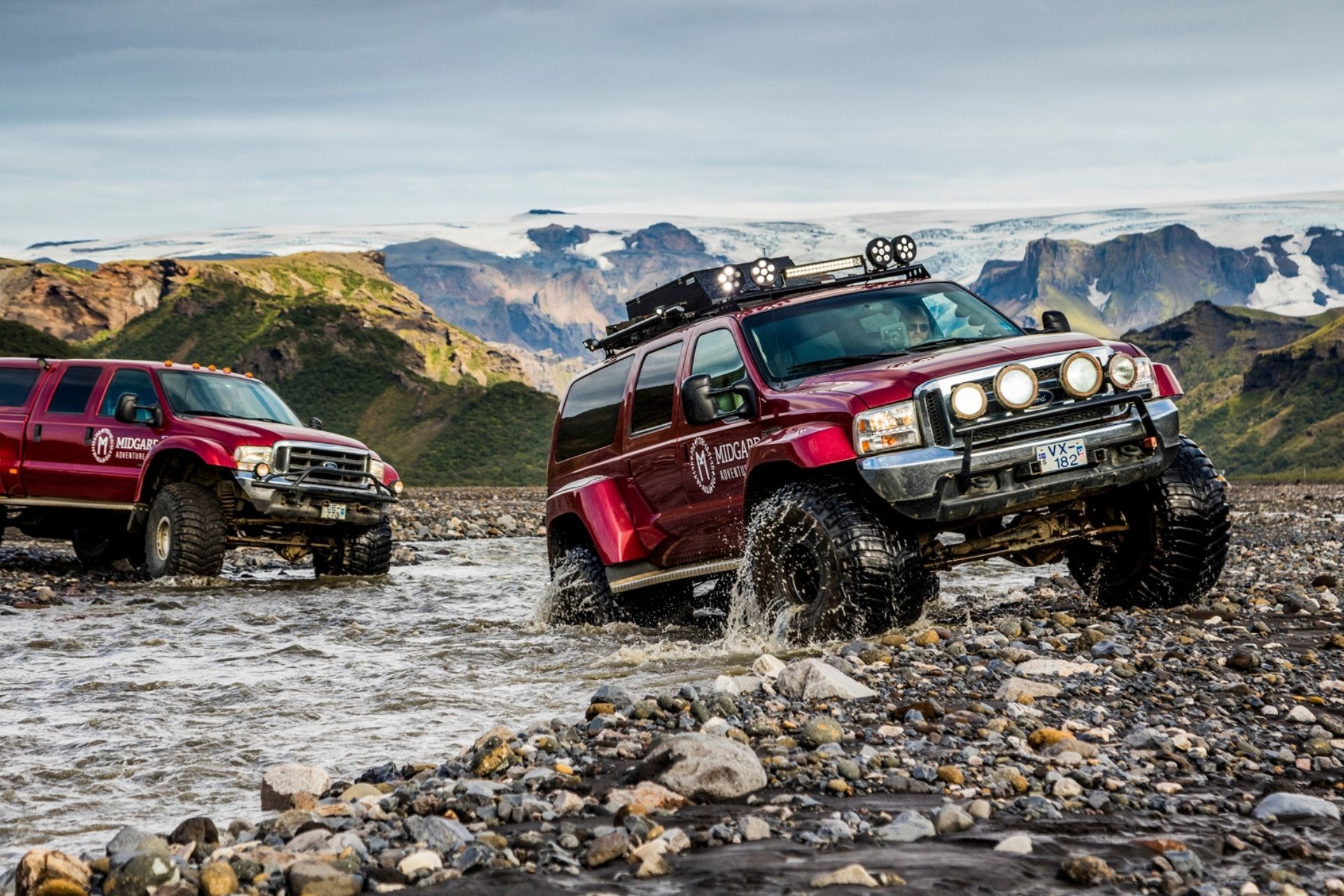
Driving in Iceland means adapting to constantly changing conditions. Weather can shift quickly, even within the same day, and strong winds, rain, snow, or fog can affect visibility and road safety. Before every drive, especially in winter or remote areas, it’s essential to check current conditions.
The Ring Road (Route 1) is paved and well maintained year-round, but smaller rural roads may be gravel, narrow, or temporarily closed due to weather. In winter, snow and ice are common, particularly in the north and in mountain passes. Wind can also be a serious factor, sometimes strong enough to make driving difficult, especially for larger vehicles.
For real-time updates, always check official sources before heading out. Road closures, icy sections, wind warnings, and alerts are updated frequently and can help you avoid unnecessary risks.
Road Conditions & Weather
Essential Resources Before Driving
road.is – Live road conditions and closures
vedur.is – Weather forecasts and wind warnings
safetravel.is – Travel alerts and safety advice
Planning your route with weather and road conditions in mind is one of the most important steps for a safe and enjoyable road trip in Iceland.
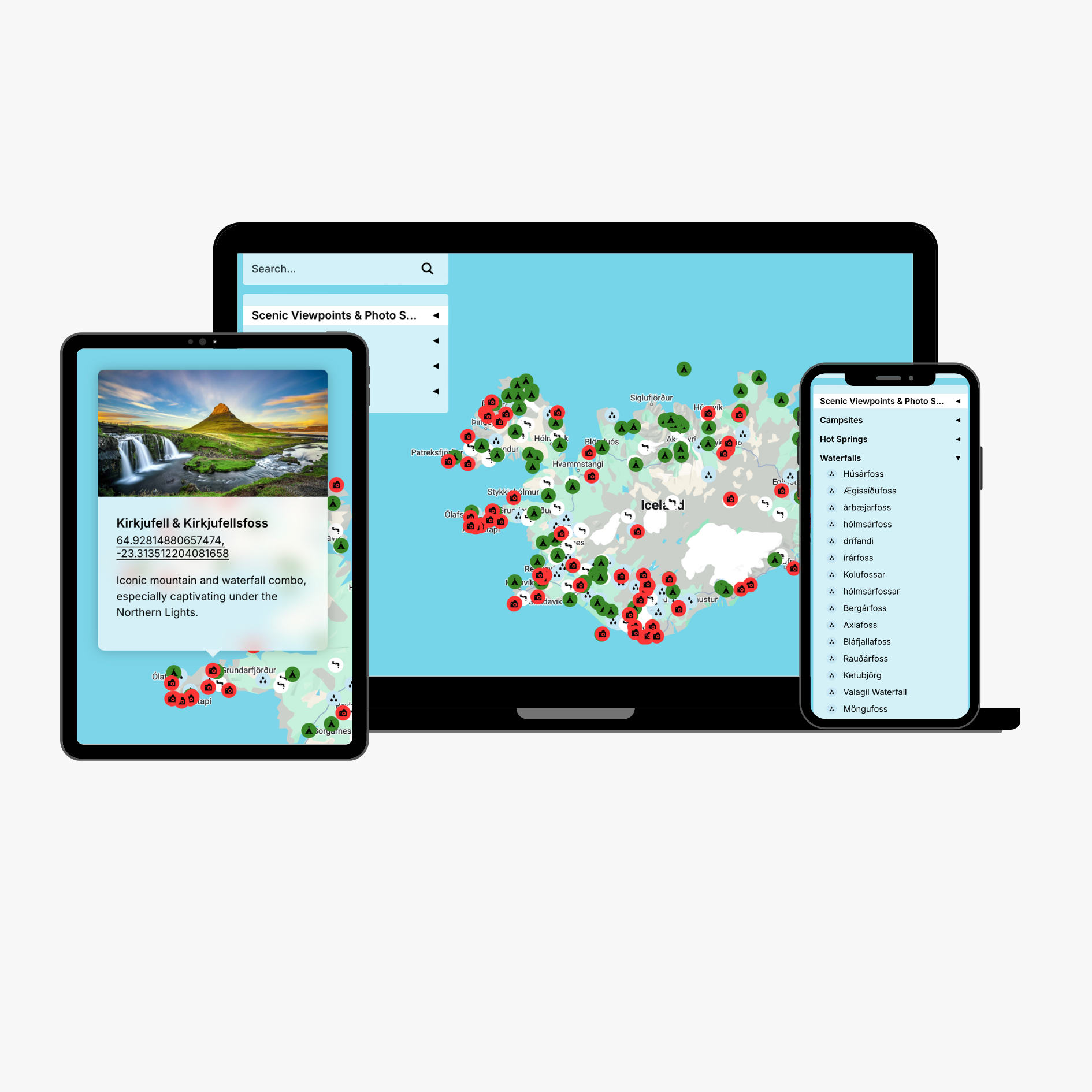
Do You Want To Explore Like A Local With Our Travel Map ?
Get instant access to our FREE Iceland travel map with hand picked locations including hot springs, campsites, scenic stops, and waterfalls. Updated regularly and built to help you plan smarter.
- 200+ Verified Locations
- Natural Hot Springs
- Scenic Viewpoints
- Top Campsites with Facilities
- Top Rated Tours
- Discount Codes
Car Rental & 4x4 Guide
Choosing the Right Vehicle for Iceland
Renting a car is the most flexible and popular way to explore Iceland. It allows you to travel at your own pace, stop at hidden viewpoints, and adjust your plans depending on weather and road conditions. For most travelers sticking to the Ring Road and major attractions in summer, a standard 2WD vehicle is sufficient.
However, if you’re visiting in winter or planning to explore more remote areas, your vehicle choice becomes more important. Snow, ice, and strong winds can make driving more demanding, especially outside major towns.
When Do You Need a 4x4?
A 4×4 vehicle is required if you plan to drive on Iceland’s F-roads. These mountain roads lead into the Highlands and are only open in summer, depending on conditions. F-roads are unpaved, rough, and may include river crossings. Driving them without a proper vehicle is illegal and unsafe.
Even outside the Highlands, many travelers choose a 4×4 in winter for added stability and peace of mind.
🚗 2WD Cars (Small & Economy)
Best for summer travel on paved roads and the Ring Road. Ideal for city stays and main attractions. Budget friendly and fuel efficient, but not allowed on F-roads.
Tip: Great choice from May to September if you’re staying on main routes.
🚙 4x4 SUVs
Recommended for winter driving and rural areas. Offers better stability in snow, wind, and gravel conditions. Required for F-roads and Highland travel.
Tip: A smart option year round if you want flexibility and extra safety.
🚐 Campervans
Combine transport and accommodation in one. Popular in summer for flexibility and scenic overnight stays at campsites around the country.
Note: Wild camping is not allowed. Use designated campsites only.
🚛 Large 4x4 / Super Jeeps
Built for Highlands and rough terrain. Suitable for river crossings and challenging F-roads during summer when open.
Important: Experience is essential for remote mountain routes.
Road Rules & Safety
Road Rules & Safety
Essential Driving Laws in Iceland
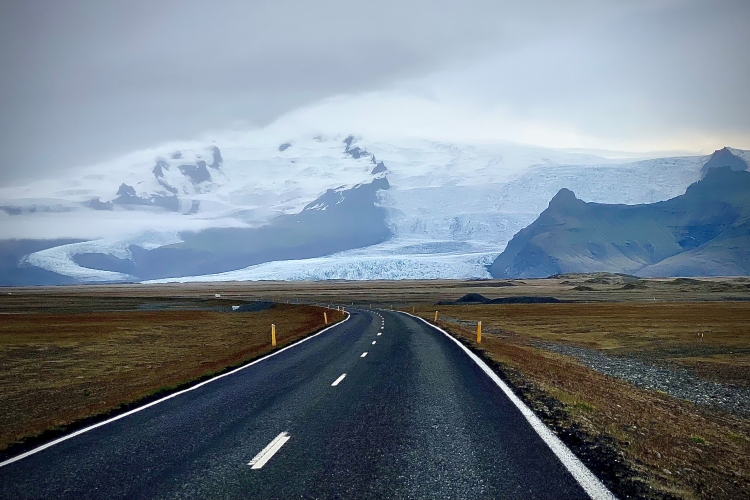
Driving in Iceland is straightforward, but there are strict rules that every visitor must follow. Speed limits are clearly marked and enforced with cameras. In general, the maximum speed is 50 km/h in towns, 80 km/h on gravel roads, and 90 km/h on paved rural roads.
Headlights must be on at all times, day and night, year-round. Seatbelts are mandatory for all passengers, and using a mobile phone while driving is illegal unless you use hands-free equipment. Off-road driving is strictly prohibited and can result in heavy fines, as it causes serious and lasting damage to nature.
Roundabouts are common in Iceland, especially in Reykjavík. The inside lane has priority, which can surprise visitors. Always signal when exiting. Sheep often roam freely in rural areas, so reduce speed and stay alert when driving outside towns.
Road Rules & Safety
Important Things to Remember
Before you start your journey, keep these key safety points in mind:
• Always drive with headlights on
• Respect speed limits, especially on gravel roads
• Never stop in the middle of the road for photos
• Only park in designated areas
• Off-road driving is illegal and heavily fined
• Give priority to vehicles already in roundabouts
Driving responsibly ensures not only your safety, but also protects Iceland’s unique landscapes for future travelers.
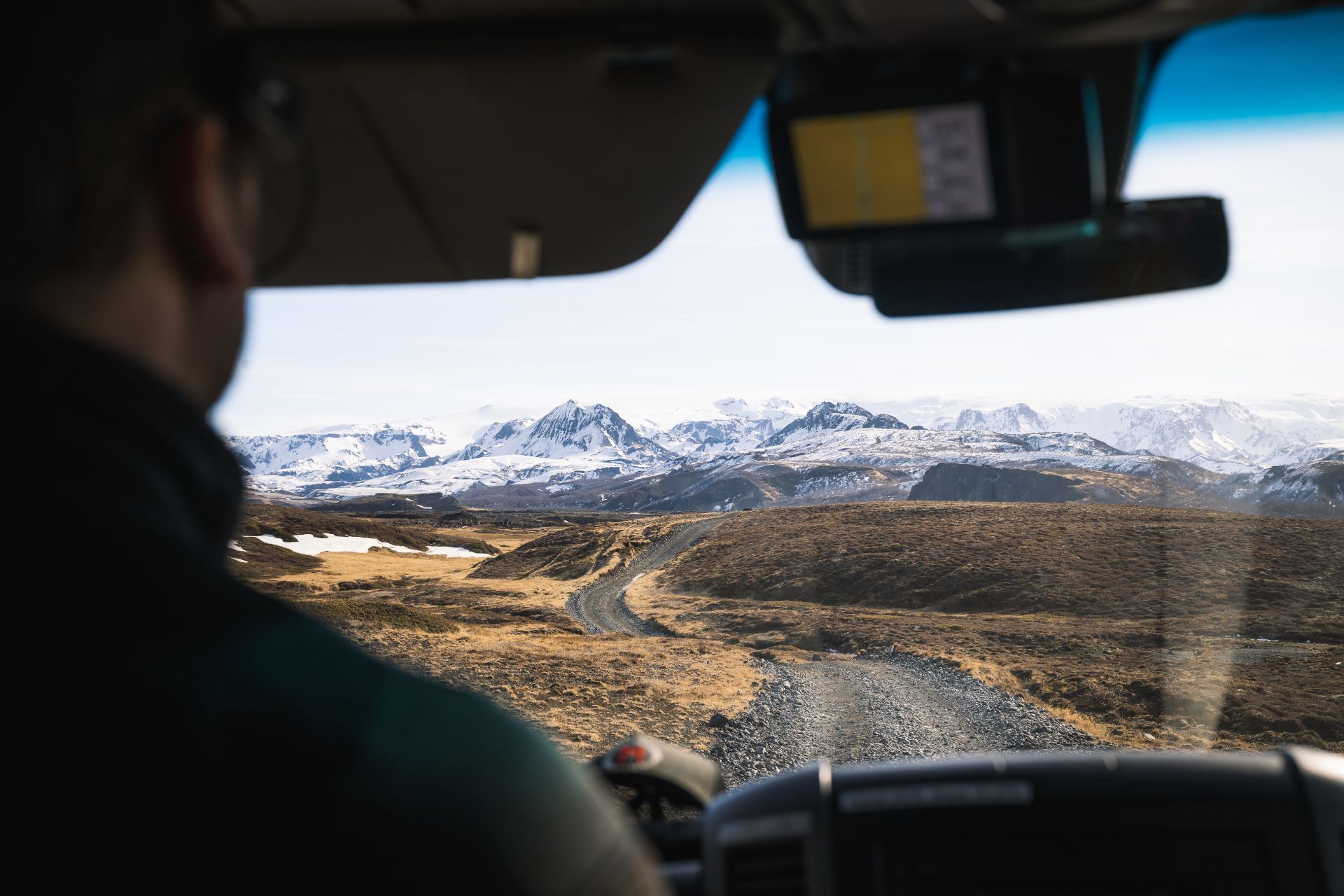
🐑 Animals on the Road
You’ll likely encounter sheep, birds, or even horses near or crossing the road. Slow down when you see animals, collisions are common and dangerous for both you and the animal.
🚗 Rental Cars Are Everywhere
During summer especially, expect to be surrounded by other tourists on the road. Be patient and courteous, many drivers are unfamiliar with local conditions.
🛑 Right-Hand Driving
Cars drive on the right-hand side of the road, and overtaking is done on the left. Yield signs and roundabouts are common, so take a moment to adjust if you’re used to driving on the left.
🔄 Roundabouts Are Everywhere
The inner lane (closest to the center) always has the right of way. Use your signal clearly and pay attention to signs, some roundabouts have 2–3 exits very close together.
Best Selling Tours
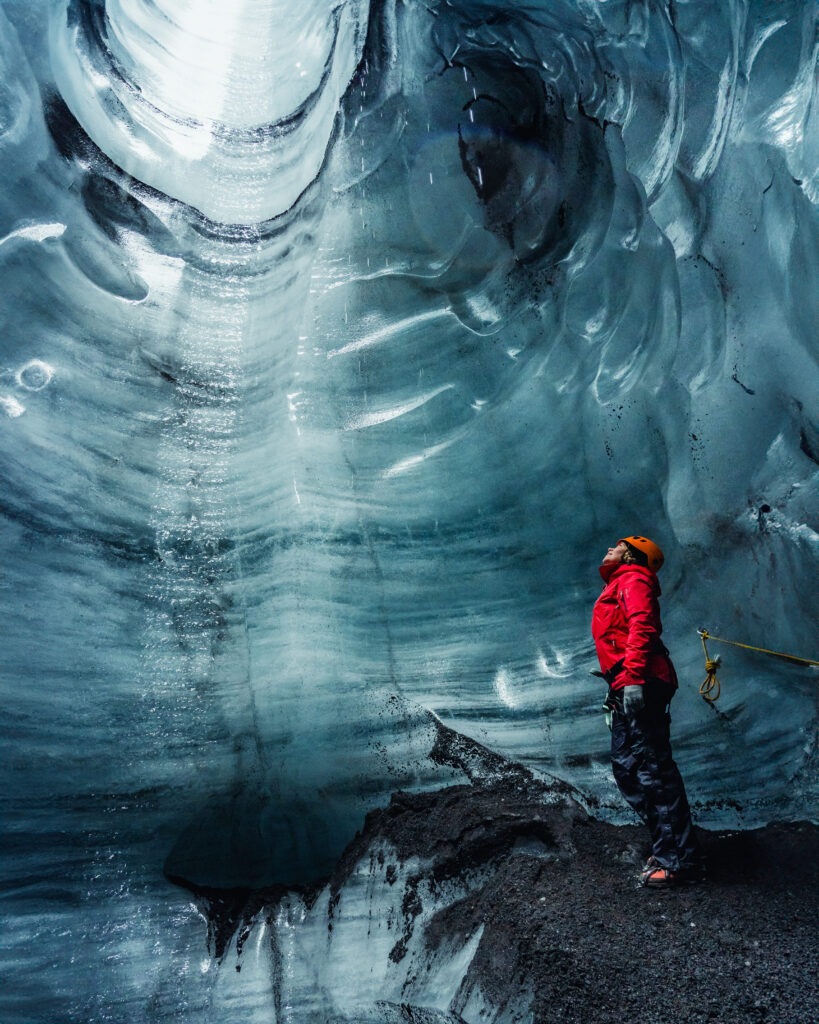
- 11 Hours
- Easy
- South Coast
Day Trip to Katla Ice Cave and South Coast Waterfalls
35.990 ISK
Best seller
Combo Tour
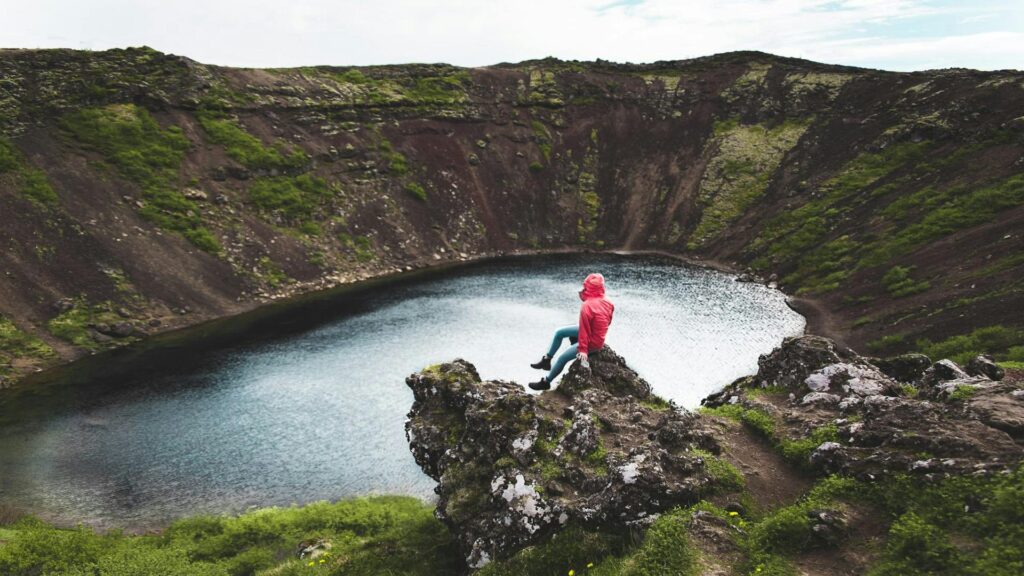
- 8,5 Hours
- Easy
- Reykjavík
Visit Gullfoss, Geysir, Þingvellir and Kerið Ctrater on this Grand Golden Circle Tour
10.990 ISK
Popular
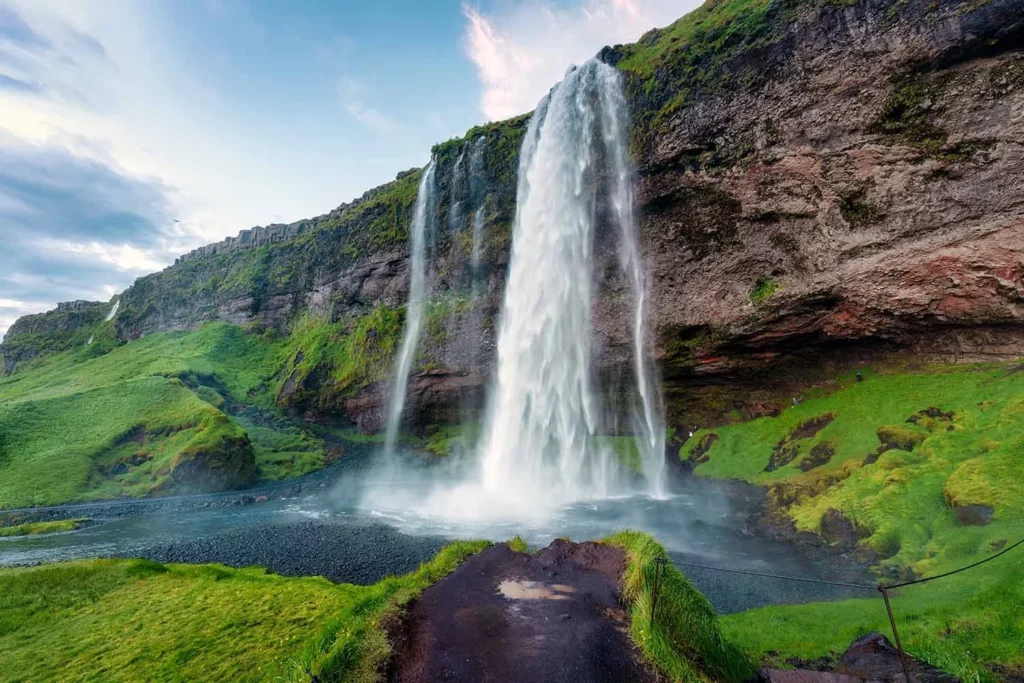
- 10 Hours
- Easy
- South Coast
Explore waterfalls, Black
Sand Beach, Glaciers and more
16.990 ISK
Popular
- 3-5 Hours
- Easy
- Reykjavík
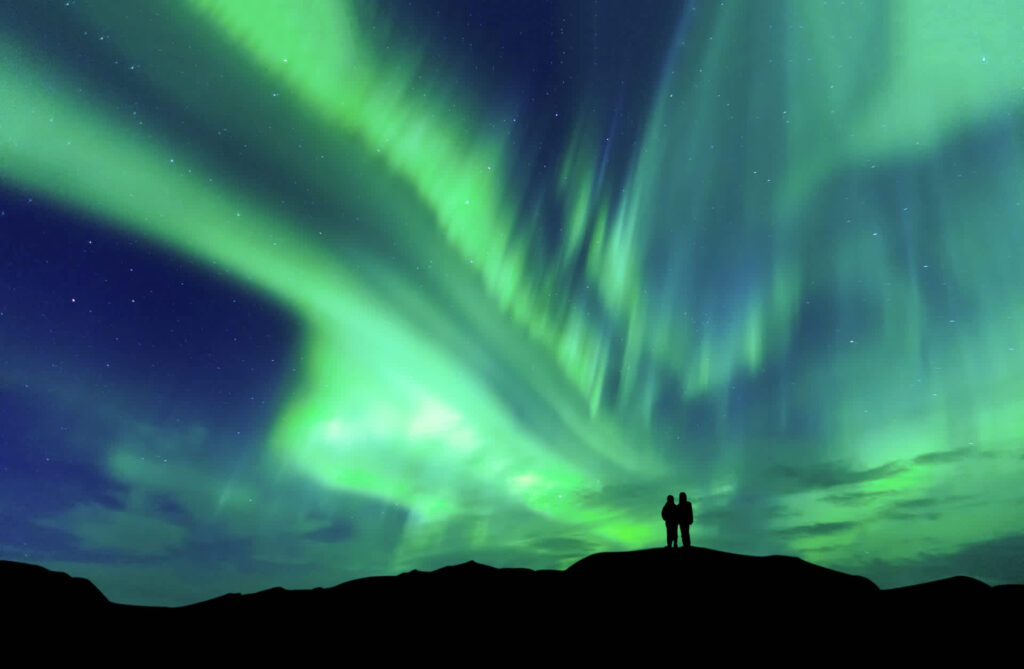
Northern Lights Small-Group Tour with Hot Chocolate & Cinnamon Buns
22.000 ISK
Best Seller
Must-Drive Roads & Scenic Routes in Iceland
Planning your route in Iceland is just as important as choosing your destinations. Distances may look short on the map, but weather, road conditions, and frequent photo stops can significantly extend driving time. It is always better to plan fewer stops per day and allow extra time for flexibility.
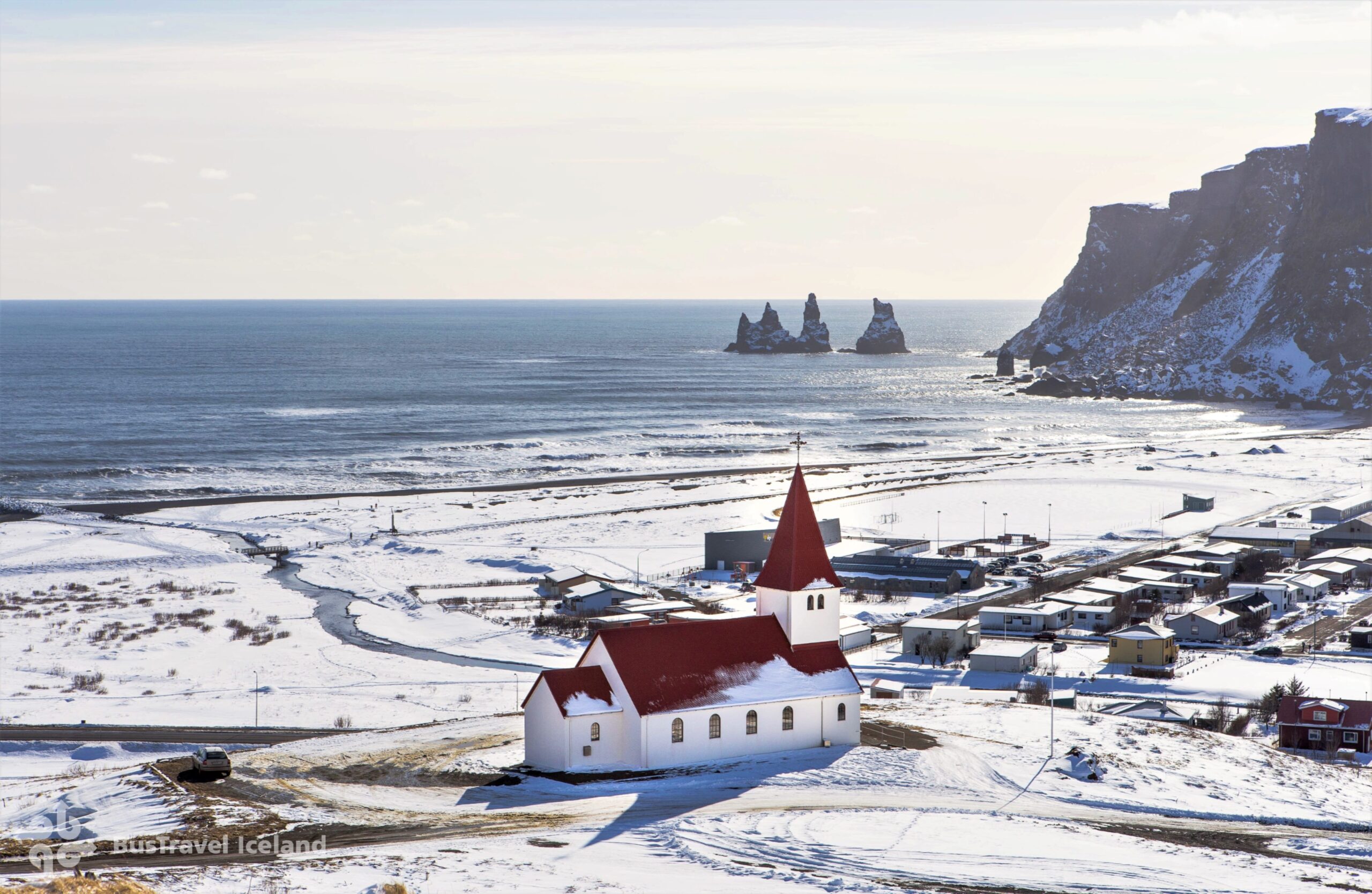
The Ring Road (Route 1) is Iceland’s main highway and circles the entire island, connecting most major attractions. It is fully paved and accessible year-round, making it ideal for first-time visitors. Along the way, you’ll pass waterfalls, glaciers, black sand beaches, lava fields, and charming coastal towns.
Beyond the Ring Road, several scenic routes are worth the detour. The Golden Circle is perfect for a short self-drive near Reykjavík. The South Coast offers dramatic landscapes and easy access to popular highlights. In summer, the Highlands provide a remote and unforgettable experience, but require a proper 4×4 vehicle and careful planning.
Must-Drive Roads & Scenic Routes in Iceland
Smart Driving Tips Before You Go
Before setting off, keep these route planning essentials in mind:
• Calculate driving time realistically and add buffer time
• Check road conditions and weather before departure
• Fuel up whenever you can in remote areas
• Download offline maps in case of poor signal
• Avoid overloading your itinerary
• Plan overnight stops in advance during summer
A well-planned route gives you freedom without stress and allows you to truly enjoy the journey, not just the destination.