
Travel Tips And Information
Itineraries
Step by step road trip itineraries designed to help you explore Iceland efficiently.
Travel Tips
Practical advice about seasons, weather, accommodation, and other helpful information for planning your visit.
Planning Tools
Useful travel tools including packing lists, checklists, and simple guides to help you prepare for your Iceland trip.
Packing
Know exactly what to pack for Iceland’s fast-changing weather conditions.
Recent Travel Articles
Tips, guides and useful information for your local adventure
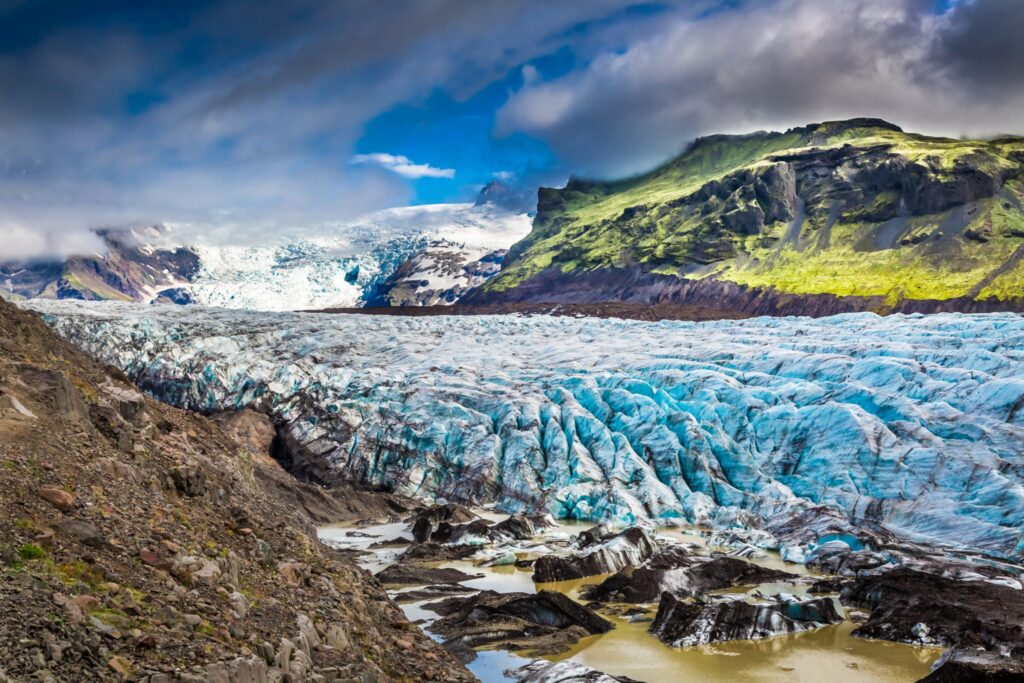

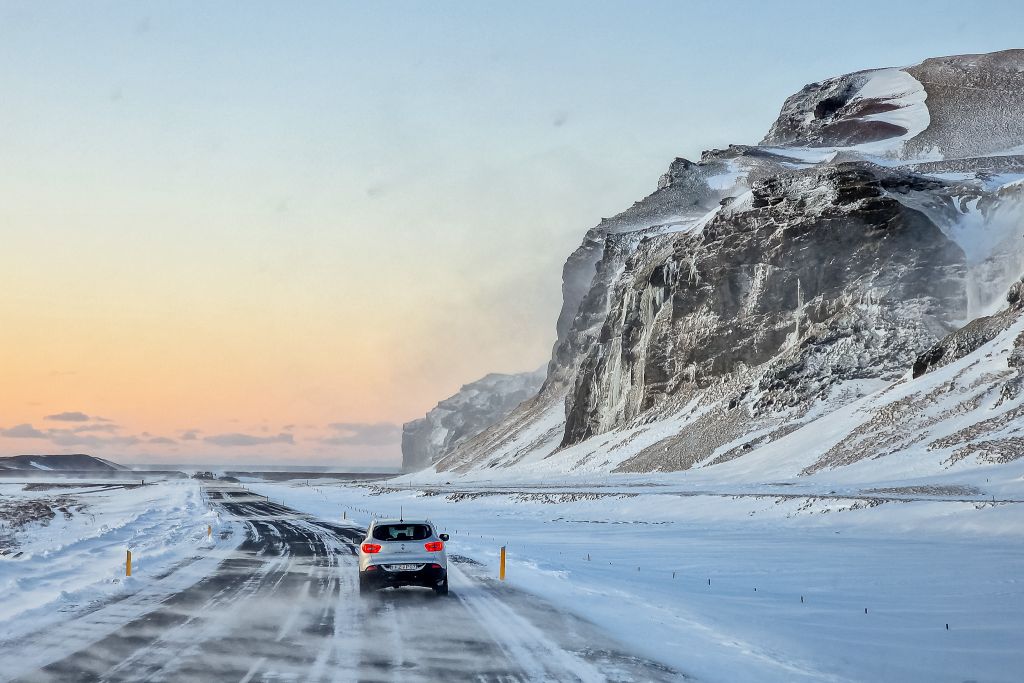
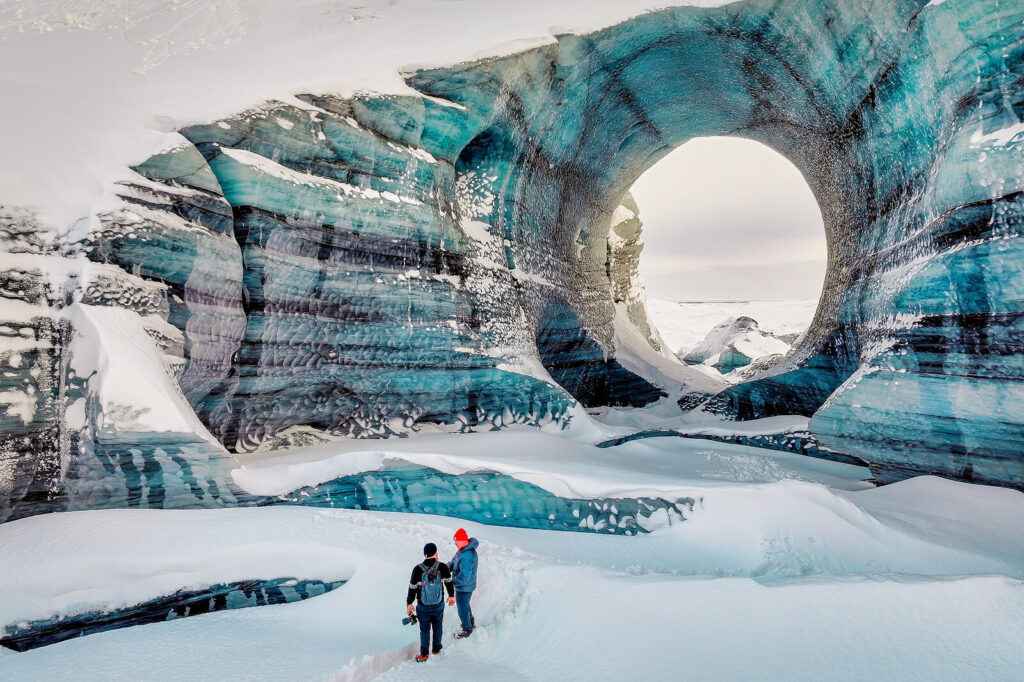
Do You Want Travel Tips From A Local ?
- Local knowledge
- Tailored recommendations
- Fast response
- Easy booking links
Seasons
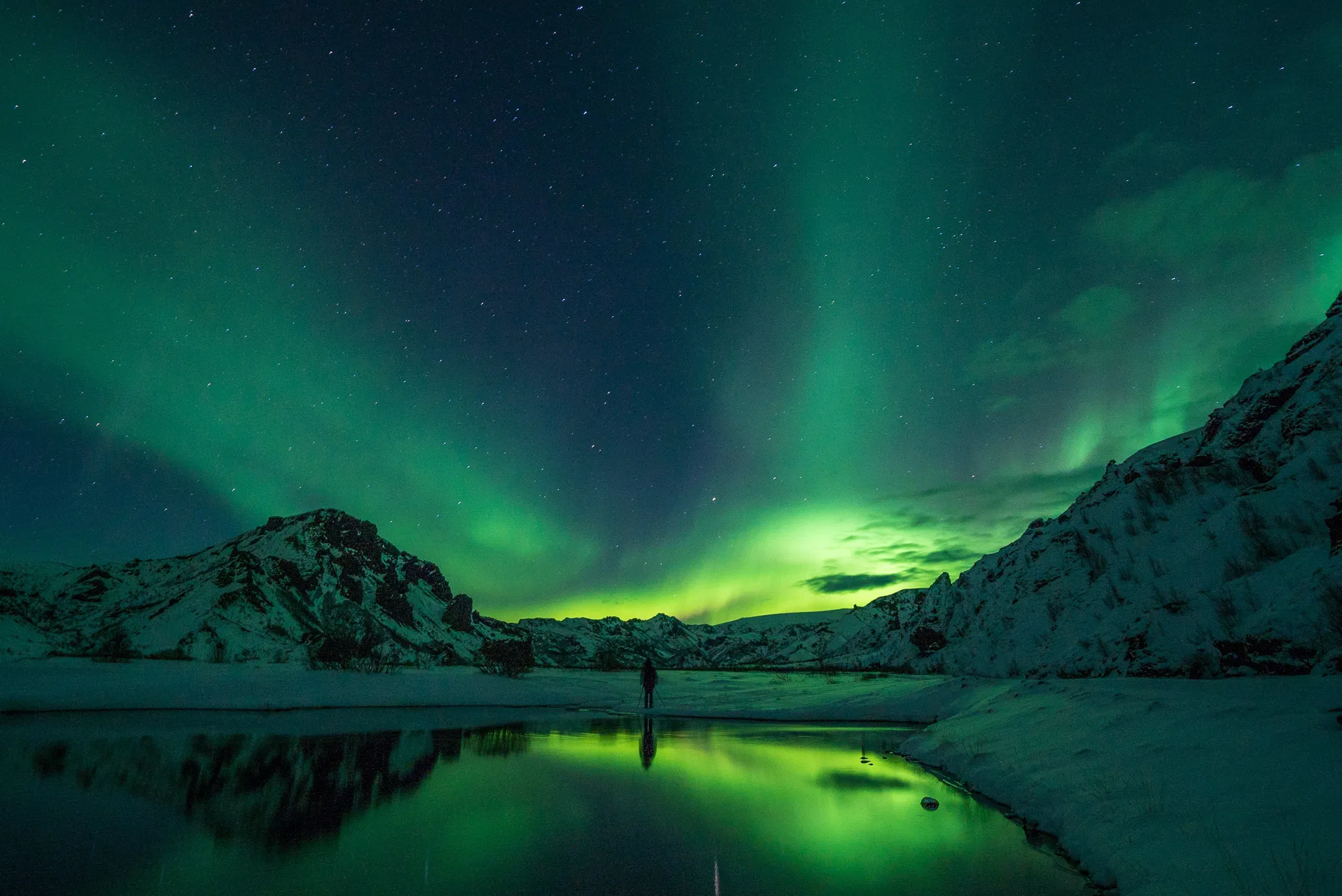
Seasons
Iceland’s Climate and Seasonal Changes Explained
Iceland’s climate is shaped by its position between the Arctic and the North Atlantic Ocean. While many expect extreme cold, temperatures are often milder than imagined thanks to the Gulf Stream. What truly defines Iceland is not dramatic heat or freezing extremes, but constant variation and rapidly shifting conditions.
Weather can change quickly throughout the day. Wind plays a major role year-round, and it often feels cooler than the temperature suggests. Rain showers, sunshine, mist, and even snowfall can all pass through within hours. Being flexible and prepared makes all the difference when exploring the country.
The biggest contrast between seasons is daylight. Summer offers nearly endless light and energy, while winter brings darkness, dramatic skies, and the magic of the Northern Lights. Spring and autumn sit beautifully in between, offering fewer crowds and strong contrasts in nature.
Highlands
What to Know About Iceland’s Weather Before You Visit
Iceland does not have traditional seasons in the way many countries do. Instead of clear temperature extremes, the experience is shaped by light, wind, and landscape transformation. Each season changes how you explore, photograph, and move around the country.
Summers are bright and lively, with long days that allow extended road trips and late evening hikes. Winters are darker and more dramatic, turning waterfalls into icy sculptures and mountains into snow-covered scenery. Shoulder seasons bring a mix of both worlds, where conditions can feel dynamic and unpredictable.
Understanding Iceland’s seasonal rhythm helps you plan smarter. Road access, driving conditions, daylight hours, and activity availability all shift throughout the year. Choosing the right season depends less on temperature and more on the type of experience you want.
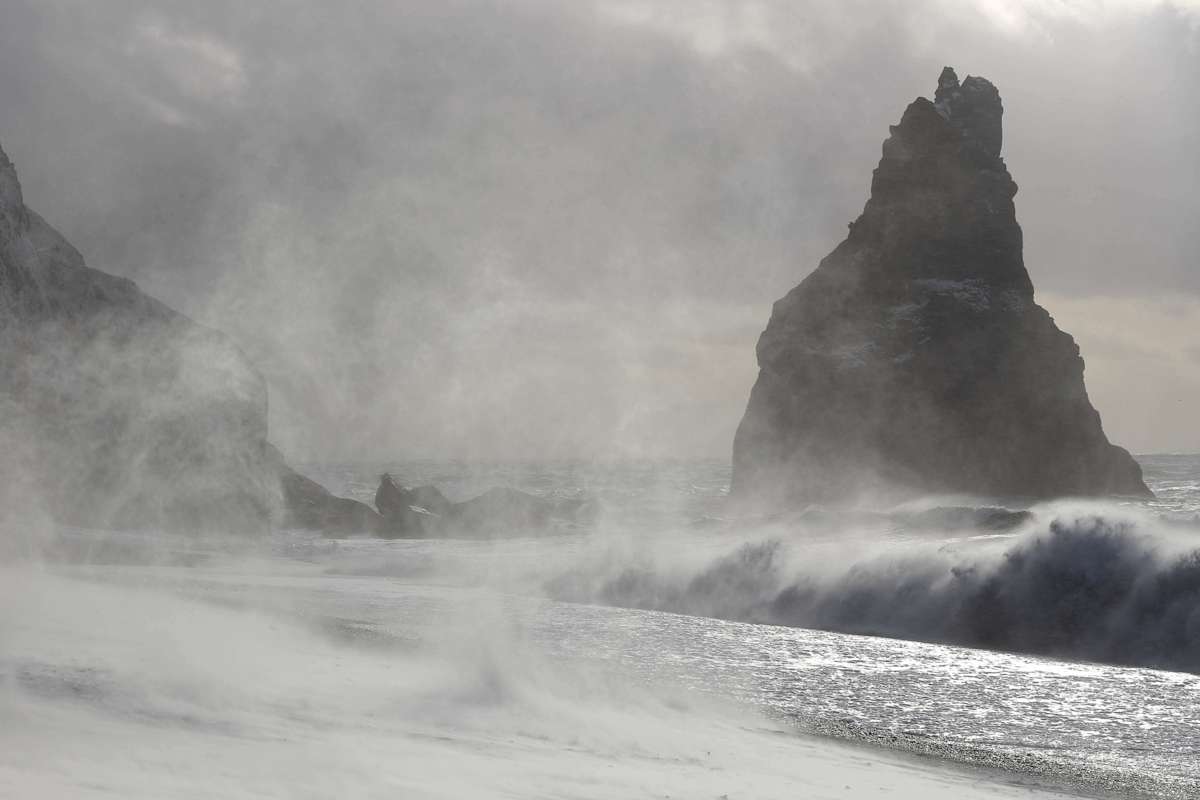
☀️ Summer (June – August)
Summer is the most popular time to visit, and for good reason. You’ll experience the midnight sun, with nearly 24 hours of daylight to explore Iceland’s wild landscapes. Weather is mild, roads are fully open, and festivals bring a fun local energy to towns across the country.
Highlights: Midnight sun, highland access, camping, hiking, whale watching.
❄️ Winter (November – February)
Winter is ideal for Northern Lights, snowy scenery, and ice cave tours. Days are short, but the low light creates a magical atmosphere. Just make sure you’re ready for icy roads and quick-changing conditions!
Highlights: Aurora borealis, ice caves, geothermal spas, snow-covered landscapes.
🌤️ Shoulder Seasons (Spring & Autumn)
If you prefer quieter roads and better prices, these in-between months can be perfect. You’ll catch beautiful seasonal transitions, and there’s still plenty to do, just pack for mixed weather.
Highlights: Fewer tourists, better deals, great for photography, fall colors or spring melt.
Tours Available All Year Around
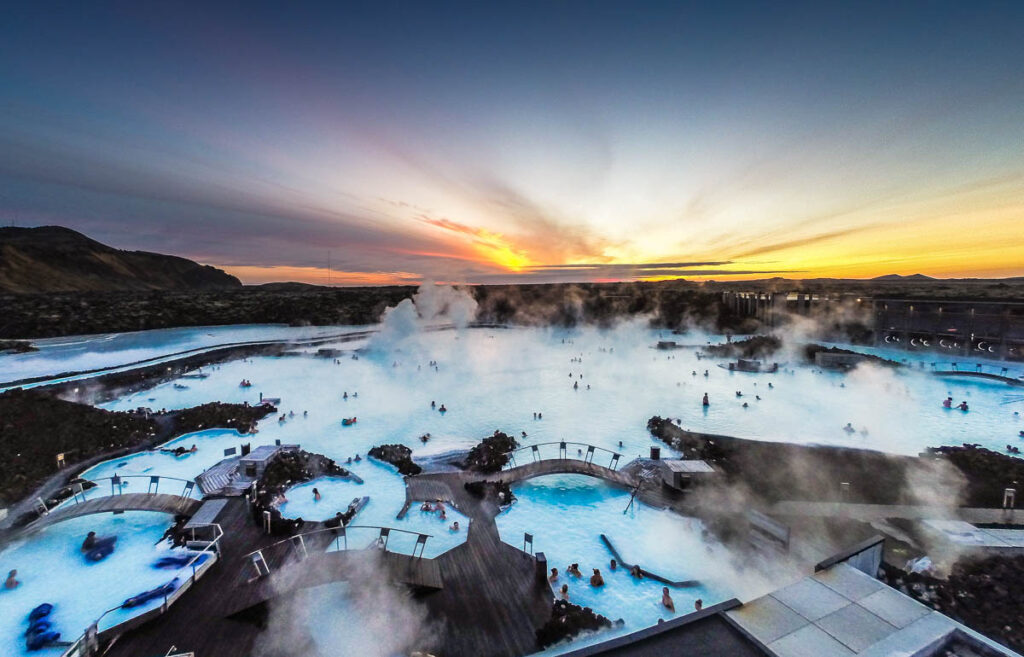
- 11 Hours
- Easy
- Reykjavík
Iceland´s most famous beauty spots and the world-renowned Blue Lagoon
30.900 ISK
Ticket included
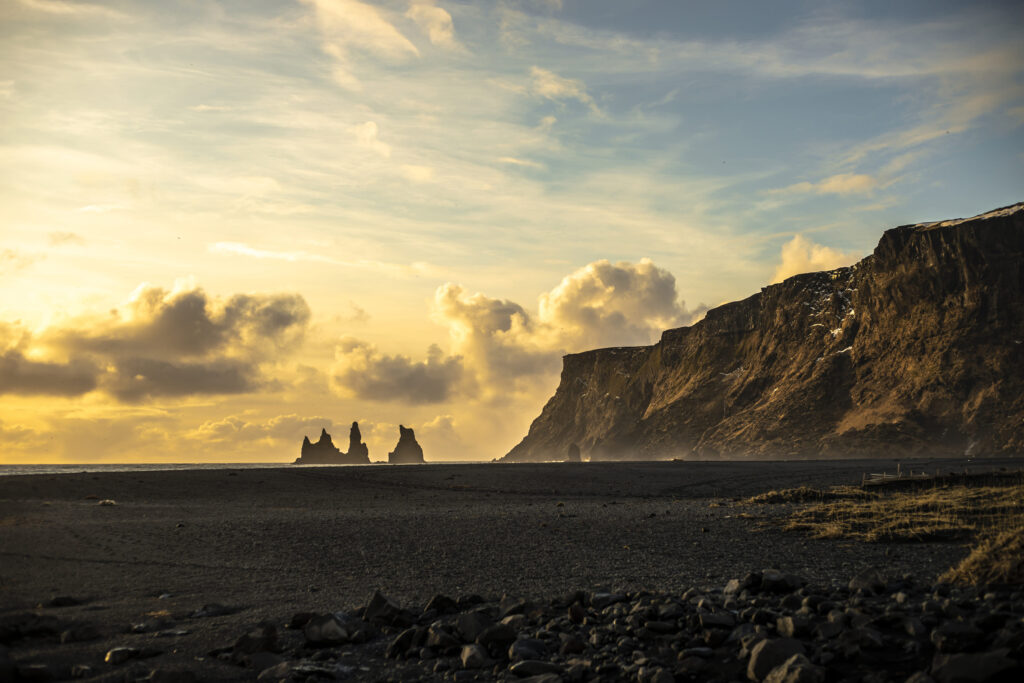
- 10 Hours
- Easy
- South Coast
Explore waterfalls, Black
The most epic landscape Iceland has to offer.
20.990 ISK
Small Group
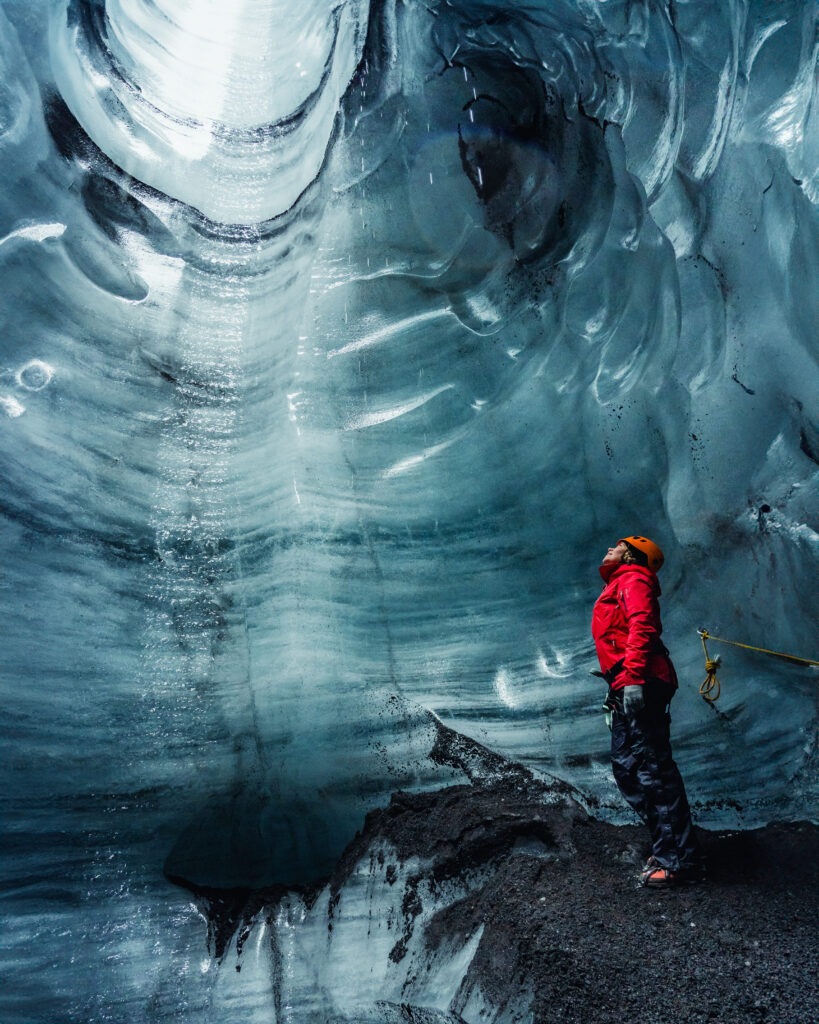
- 11 Hours
- Easy
- South Coast
Day Trip to Katla Ice Cave and South Coast Waterfalls
35.990 ISK
Best seller
Combo Tour
- 2,5 Hours
- Easy
- Southcoast
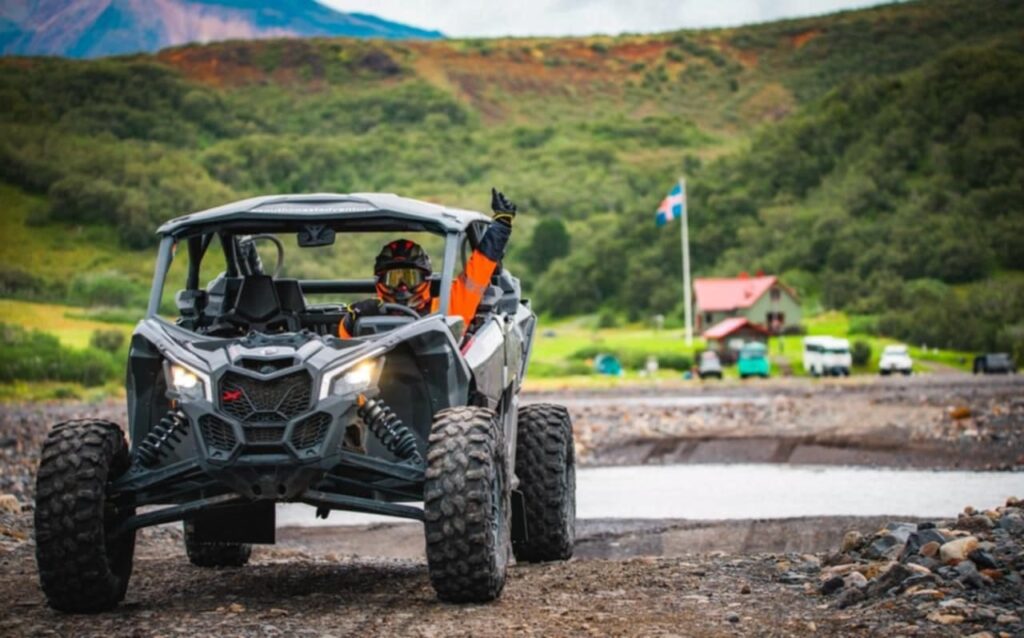
2,5 Hours Buggy Adventure
29.000 ISK
Adventure
Duration Of Your Stay
Iceland may look small on a map, but distances are longer than they seem and weather can slow you down. The ideal length of your stay depends on what you want to experience. If you’re focusing on highlights like the Golden Circle and South Coast, a few days can work. But if you want to explore beyond the main routes, give yourself more time to travel at a relaxed pace and truly enjoy the landscapes.
Rushing through Iceland often means spending more time driving than exploring. Slower travel allows flexibility for weather changes, spontaneous stops, and hidden gems you did not plan for.
⏱️ 3–4 Days: A Taste of Iceland
Perfect for stopovers or quick getaways. Focus on Reykjavik, the Golden Circle, and the Blue Lagoon. You’ll see iconic sights, but travel distances should be kept short to maximize your time.
🚗 5–7 Days: South Coast & Adventure
This is a great length for exploring the South Coast: waterfalls, black sand beaches, glaciers, and even a peek at Vatnajökull National Park. You can also add in a day tour or two from Reykjavik.
🧭 8–10 Days: Ring Road Adventure
With more than a week, you can circle the island via the Ring Road. See the East Fjords, North Iceland (like Mývatn or Akureyri), and loop back through the West. Plan for at least 3–4 hours of driving most days.
🗺️ 10+ Days: Iceland Unlocked
With 10 days or more, the entire country is yours to explore, including the remote Westfjords or highland areas like Landmannalaugar. This is the ultimate trip for photography, solitude, and off-the-beaten-path gems.
Transportation Options
Transport
Transportation Options in Iceland
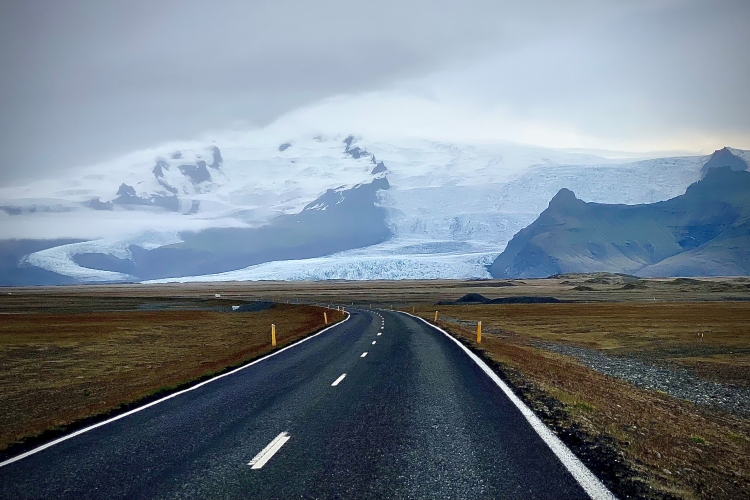
Getting around Iceland is part of the adventure. The country has one main Ring Road that circles the island, connecting most major attractions and towns. However, distances can be longer than expected, and weather conditions may affect travel plans, especially in winter.
Your best transportation option depends on your travel style, season, budget, and how much flexibility you want. Some visitors prefer the freedom of driving themselves, while others choose guided tours to relax and let local experts handle the logistics.
Tansport
Choosing the Right Way to Travel
A rental car gives you maximum independence and access to scenic stops along the way. Campervans combine transport and accommodation, making them popular in summer. Guided day tours are ideal if you prefer structured experiences without worrying about road conditions. Public buses are available between larger towns but are limited for sightseeing.
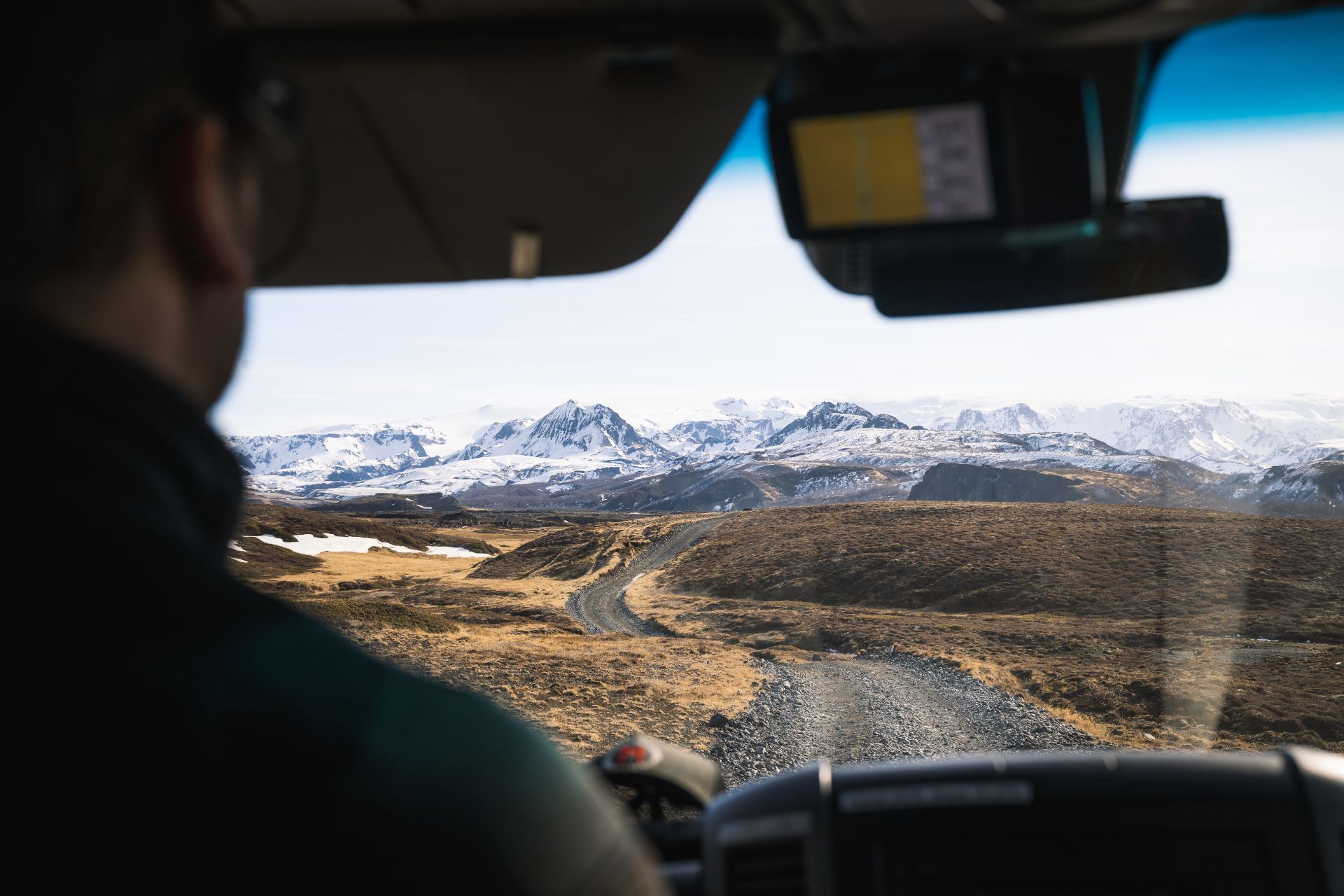
If you’re visiting the Highlands or planning to drive F-roads, a proper 4×4 vehicle is essential. Always consider the season, as winter conditions can significantly impact road safety and accessibility.
Accommodation Choices
Iceland offers a wide range of accommodation options, from modern hotels in Reykjavík to remote countryside guesthouses surrounded by dramatic landscapes. Where you stay can shape your entire experience, whether you prefer city comfort, rural charm, or something closer to nature.
In larger towns, you’ll find hotels and serviced apartments with full amenities and easy access to restaurants and tours. Along the South Coast and Ring Road, guesthouses and farm stays provide a more local and personal atmosphere. In summer, campsites and campervan travel are popular, while winter visitors often choose cozy accommodations with good road access and northern lights viewing potential.
Availability can be limited during peak season, especially from June to August, so booking in advance is strongly recommended. Choosing accommodation strategically based on your route can reduce driving time and make your trip more relaxed and enjoyable.
🏨 Hotels & Guesthouses
Found in most towns and tourist hubs, these offer comfort and amenities. From boutique countryside stays to simple budget inns, there’s something for every level of travel style.
Tip: Book early for summer travel, rooms fill up quickly.
⛺ Campsites & Campervans
Camping gives you ultimate flexibility and closeness to nature. Whether in a tent or a campervan, Iceland has a strong network of campsites (many with facilities like showers, kitchens, and Wi-Fi).
Note: Wild camping is no longer allowed outside of designated areas.
🐑 Farm Stays & Cabins
Stay with locals on working farms or in remote countryside cabins. These are great for experiencing Icelandic culture, enjoying rural peace, and sometimes meeting animals!
Best for: Unique, off-the-beaten-path experiences.
Must-See Attractions
Iceland is packed with dramatic landscapes and natural wonders that feel almost unreal. From powerful waterfalls and erupting geysers to black sand beaches and massive glaciers, the country offers an incredible variety of sights within relatively short driving distances.
Many visitors start with iconic routes like the Golden Circle and the South Coast, where you can see Gullfoss waterfall, Geysir geothermal area, and Reynisfjara’s black sand beach. Along the Ring Road, highlights include glacier lagoons, volcanic craters, lava fields, and charming coastal villages.
Beyond the famous landmarks, Iceland also rewards those who explore further. The Snæfellsnes Peninsula, the remote Westfjords, and the colorful Highlands reveal a quieter and more untouched side of the country. Whether you visit in summer’s midnight sun or winter’s northern lights season, Iceland’s must-see attractions combine raw nature, scale, and atmosphere in a way few places in the world can match.
Do You Want To Explore Like A Local With Our Travel Map ?
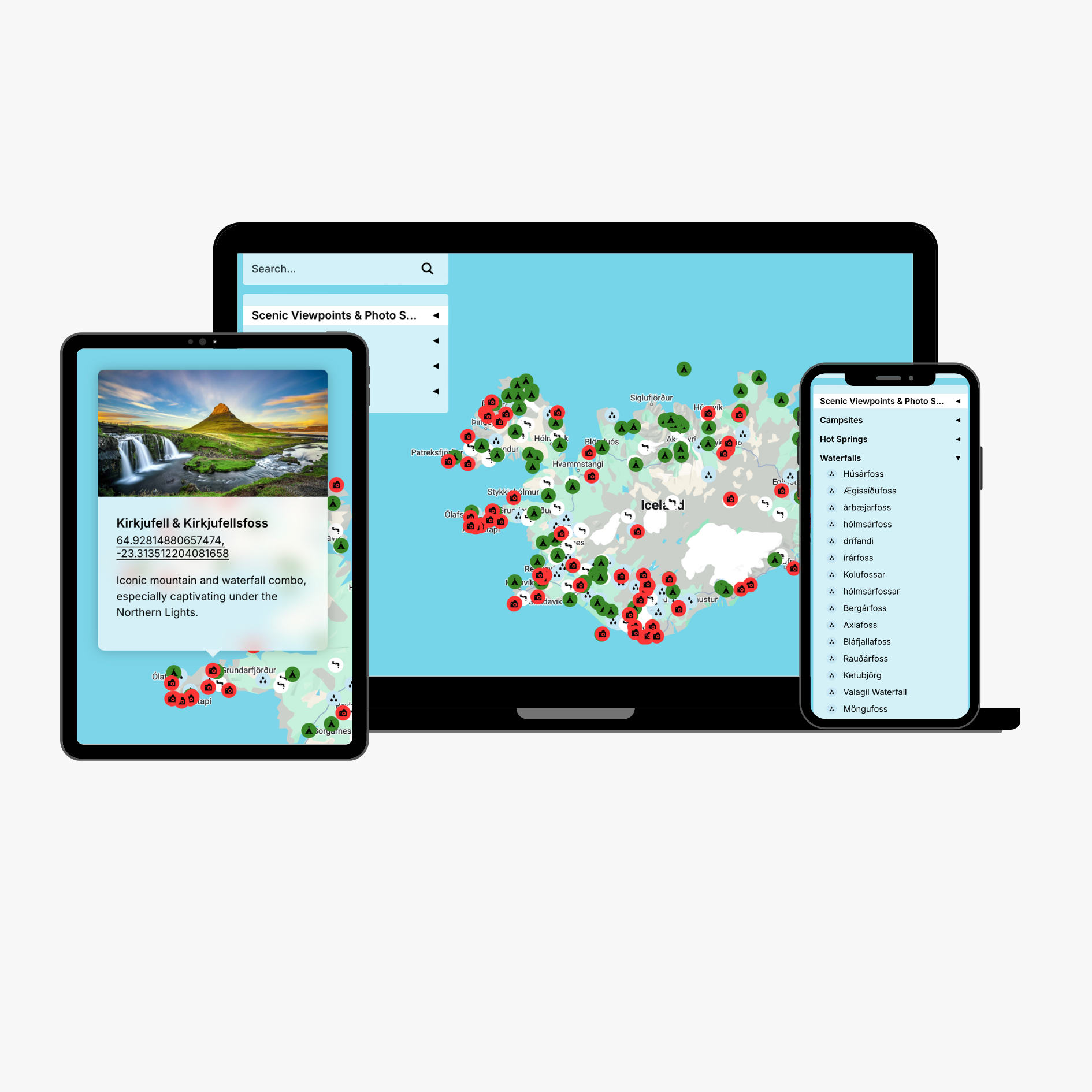
Get instant access to our FREE Iceland travel map with hand picked locations including hot springs, campsites, scenic stops, and waterfalls. Updated regularly and built to help you plan smarter.
- 200+ Verified Locations
- Natural Hot Springs
- Scenic Viewpoints
- Top Campsites with Facilities
- Top Rated Tours
- Discount Codes
Packing For Iceland
Packing for Iceland is less about extreme cold and more about being prepared for changing conditions. The weather can shift quickly from sunshine to wind or rain, even in summer, so layering is key. Instead of packing heavy clothing, focus on flexible layers that you can easily add or remove throughout the day.
A waterproof jacket and sturdy shoes are essential year-round. Wind can be strong in any season, and many popular attractions involve short walks over uneven or wet terrain. Thermal base layers, a warm mid-layer, gloves, and a hat are especially important in winter, while summer visitors should still bring a light insulated layer for cooler evenings.
Don’t forget swimwear for geothermal pools and hot springs, a reusable water bottle for Iceland’s clean tap water, and a power adapter if needed. Preparing properly will allow you to explore comfortably and focus on the experience rather than the weather.
Safety and Regulations
Iceland is considered one of the safest countries in the world, but its natural environment demands respect. Weather can change quickly, winds can be strong, and conditions at waterfalls, beaches, and cliffs can be unpredictable. Staying informed and following local guidance is essential for a safe trip.
Always check daily weather and road conditions before heading out, especially in winter. Follow marked paths, respect warning signs, and never turn your back on the ocean at black sand beaches where powerful “sneaker waves” can appear without warning. When driving, adjust your speed to conditions rather than just following the posted limit.
Iceland also has strict environmental protections. Off-road driving is illegal and can result in heavy fines. Stick to designated roads and trails, respect private land, and follow the “leave no trace” principle. By planning responsibly and respecting regulations, you can enjoy Iceland’s landscapes safely while helping preserve them for future visitors.
🌦️ Weather Conditions
Icelandic weather can shift rapidly, sunshine can turn into snow or gale-force wind within hours. Always check Vedur.is for weather alerts before heading out.
🛣️ Road Safety
Watch out for gravel roads, single-lane bridges, blind hills, and sudden livestock. Check Road.is for real-time road conditions and closures.
🚫 Off-Limit Areas
Don’t enter restricted zones, closed trails, or roped-off areas, they’re there for safety. Icelandic nature is powerful and not always forgiving.
📱 Emergency Numbers
Dial 112 in case of emergency. You can also download the SafeTravel app to check alerts, log your trip, and access emergency info.
Final Tips & Conclusion
By now, you have everything you need to plan a confident and well-prepared trip to Iceland. Before you go, download offline maps and helpful apps, as mobile signal can drop in remote areas. Build flexibility into your itinerary, since weather and road conditions can change quickly and sometimes unexpectedly. Most importantly, travel with respect. Stay on marked paths, follow local advice, and protect the fragile landscapes that make Iceland so unique. With a little preparation and the right mindset, your journey will be smoother, safer, and far more rewarding.
We hope this guide helped you feel more prepared and inspired. When you’re ready to start your adventure, explore our FREE Iceland Travel Map or browse our full selection of Tours to plan your perfect Iceland experience. Safe travels!